
Ashe County Clerk of Superior Court
North Carolina uses a Clerk of Superior Court as the county-level clerk for court files. Ashe County does not have a separate district clerk or county clerk for court cases. The Clerk of Superior Court is the central record officer for civil cases, criminal cases, special proceedings, estates, dockets, indexes, copies, and many courthouse payment routes.
The NC Judicial Branch court structure page explains the statewide General Court of Justice.
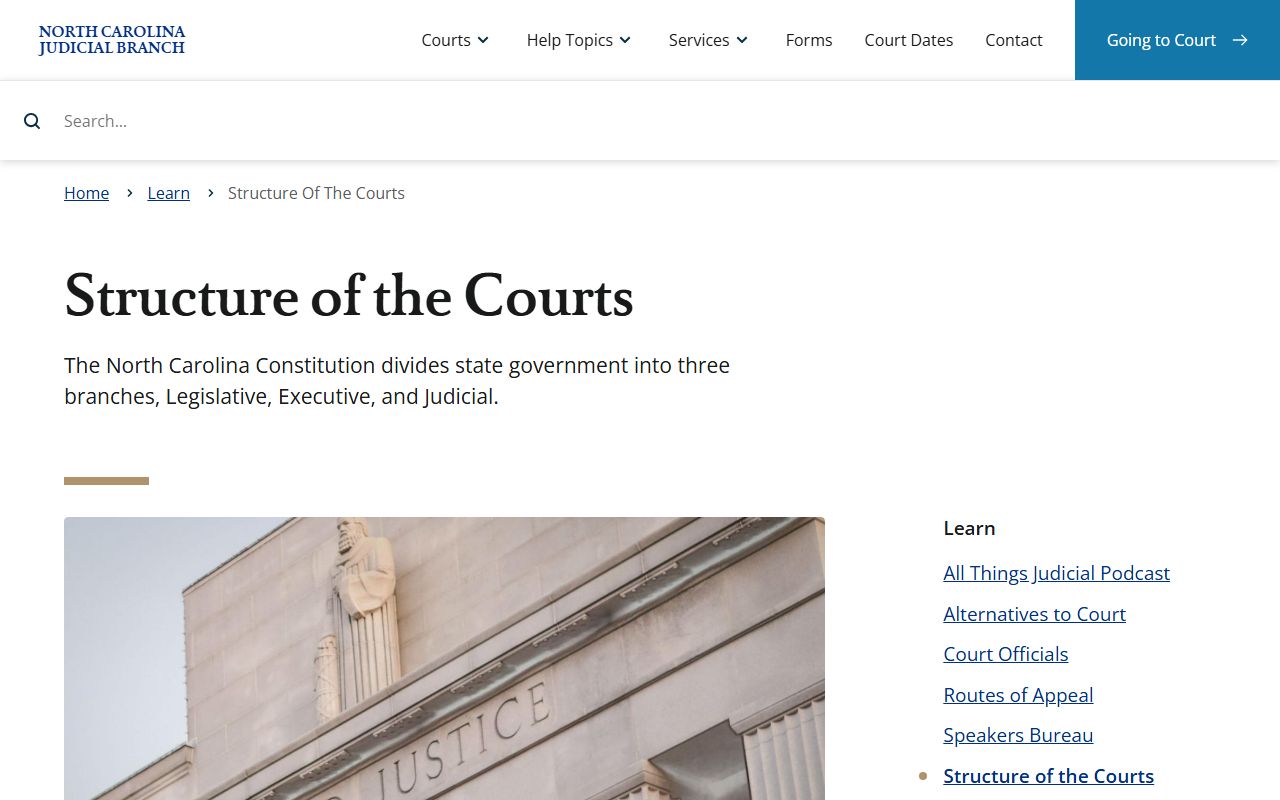
That structure explains why the local clerk serves both Superior Court and District Court case records in Ashe County.
Ashe County Clerk of Superior Court
Ashe County Courthouse
150 Government Circle, Suite 3100
Jefferson, NC 28640
(336) 219-1400
Regular courthouse hours: Mon-Fri, 8:30 a.m.-5:00 p.m.
Ashe County Clerk Record Duties
G.S. 7A-109 requires clerks to maintain the records, files, dockets, and indexes prescribed by the Director of the Administrative Office of the Courts. Except where law prohibits access, those records are open to public inspection during regular office hours. In practical terms, the Ashe County Clerk of Superior Court is the place to check when the eCourts Portal is not enough for a full file, copy, certified copy, or older paper record.
- Maintains court case files, dockets, indexes, and clerk records.
- Routes civil, criminal, special proceeding, estates, and judgment record access.
- Supports public terminal access for case information.
- Provides copies or certified copies for a fee when available by law.
- Receives eligible court payments through mail, in person, and online routes.
The Clerk of Superior Court should not be confused with the Register of Deeds. In Ashe County, the Register of Deeds handles marriage licenses, birth and death certified copies, land instruments, notary oaths, DD-214 recording, and related indexes.
Search Ashe County Clerk Records
Official access starts with the statewide eCourts Portal when online case information, hearing search, payments, or judgment search is enough. The courthouse remains the fallback for physical file inspection, public terminals, full pleadings, orders, and certified copies. Criminal case information may be searched at public terminals by defendant name, case number, or victim or witness name. Civil, special proceeding, and estate case information can also be searched at clerk office public terminals.
| Access route | Use it for | Ashe County note |
|---|---|---|
| eCourts Portal | Smart Search, hearings, payments, judgments | Statewide online access for public case information where available. |
| Public terminal | Criminal, civil, special proceeding, and estate case searches | Available in clerk offices for self-service searches. |
| Clerk office | File inspection, copies, certified copies | Use the Ashe County courthouse for Ashe County case files. |
| Payments and copy correspondence | Send court payments to the clerk mailing address when eligible. | |
| Public records request | Judicial Branch administrative records | Not the usual route for court case files. |
The North Carolina Court of Appeals overview shows where trial-court records may go when an appeal is filed.
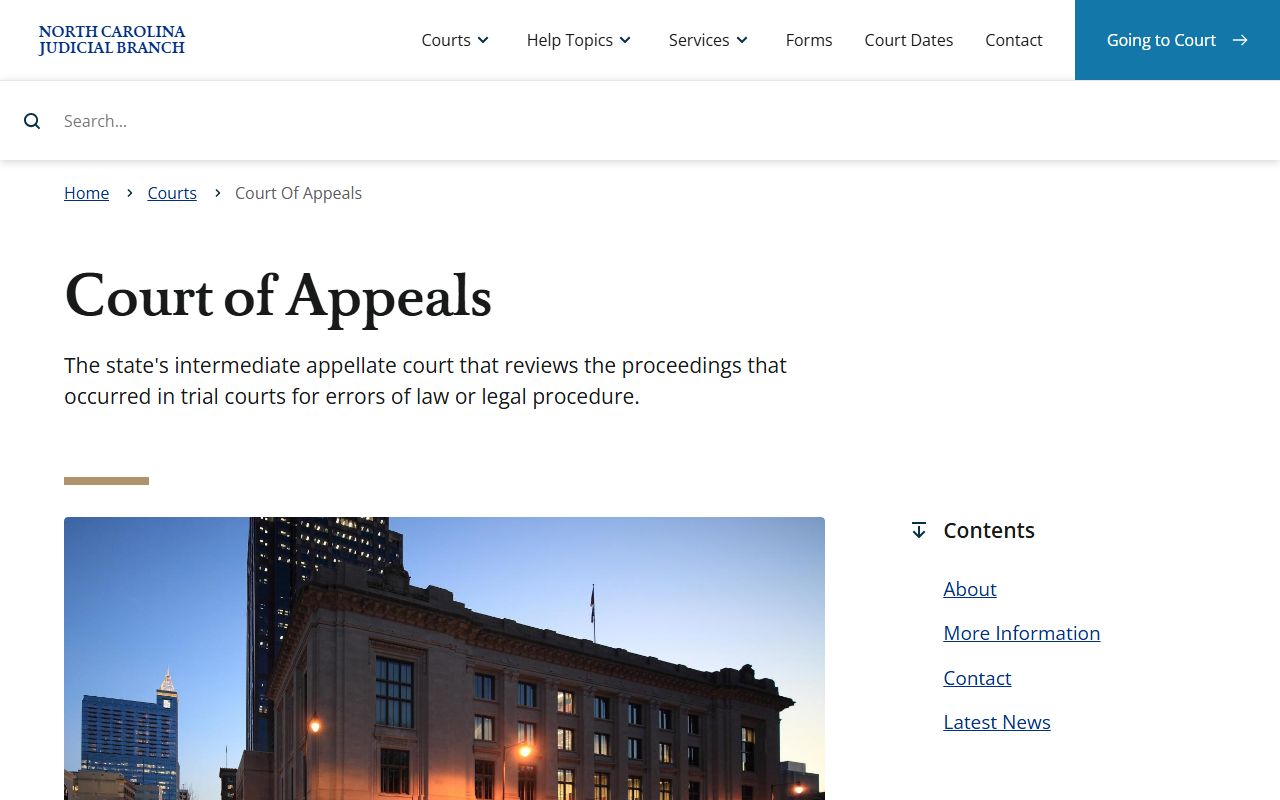
Appeal information matters because trial-court records are local clerk records, while appellate review moves into the North Carolina appellate courts.
Request Ashe County Certified Copies
A certified copy is an official copy authenticated by the record custodian. Court users may need certified copies for judgments, divorce decrees, orders, name changes, estates, or other legal filings. The eCourts Portal can help identify a case, but an online result is not the same as a certified court copy.
- Identify the case number if known. If not, collect party names, approximate filing dates, and the court division.
- Check the eCourts Portal or courthouse public terminal to confirm the case route and available case information.
- Contact the Ashe County Clerk of Superior Court at (336) 219-1400 before mailing a copy request, especially if a certified copy is needed.
- State the document type, number of copies, and whether certification is required.
- Pay the required copy or certification cost confirmed by the clerk, then pick up the copy or follow the mail instructions supplied by the office.
The NC separation and divorce help topic is a useful source when the requested certified copy is a divorce decree.
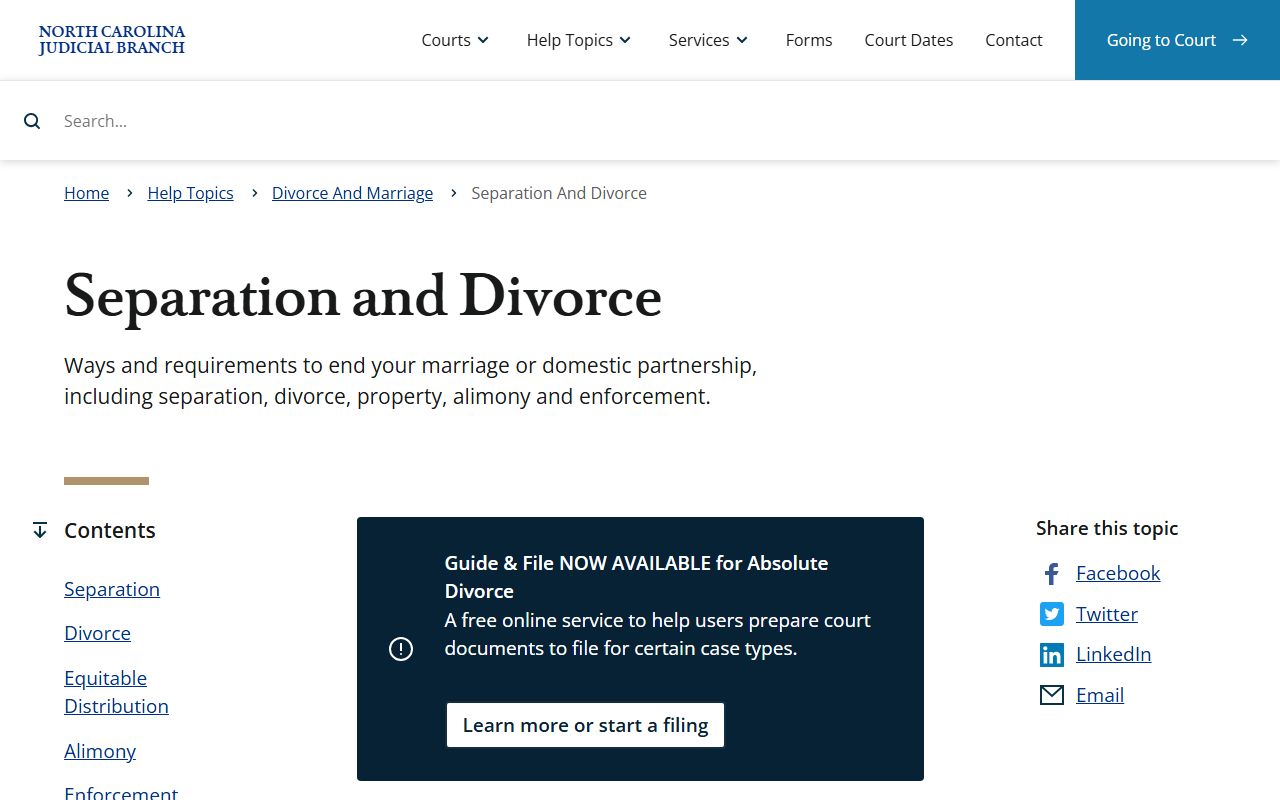
Divorce decrees are court records, so the clerk is the local route for certified decree copies from Ashe County divorce cases.
Ashe County Records Request Fields
The research did not locate a separate Ashe-only court copy form, but the clerk-related portal and request fields identify what a user should be ready to provide. More detail helps staff distinguish a court case file from a Register of Deeds record, sheriff record, or Judicial Branch administrative record.
| Field or portal item | Required | Notes |
|---|---|---|
| Case number | Helpful | Public terminals can search by case number. Include it when known. |
| Party name | Yes for name-based search | Use defendant, plaintiff, petitioner, respondent, or spouse names as applicable. |
| Document type | Yes for copy requests | Examples include judgment, order, decree, filing, inventory, or docket entry. |
| County | Yes | Use Ashe County for cases filed in Jefferson. |
| Number of copies | Yes for copy requests | State whether each copy must be certified. |
| Smart Search or Search Hearings | Optional entry point | Portal tiles route to case information or hearing/date searches. |
| Make Payments or Judgment Search | Conditional | Use only when the case or judgment is eligible for that portal function. |
Ashe County Clerk Payments
Ashe County's payment information page gives local payment rules. Mailed court payments must be by money order or certified check, payable to Ashe County Clerk of Superior Court. Do not send cash or personal checks by mail. If an eligible traffic citation is paid by mail, include the citation number.
| Payment or fee item | Rule | Where |
|---|---|---|
| Court payment by mail | Money order or certified check only, payable to Ashe County Clerk of Superior Court | Mail to Clerk of Superior Court, 150 Government Circle, Suite 3100, Jefferson, NC 28640-9378 |
| In-person court payment | Cash, credit/debit card plus processing fee, money order, or certified check. No personal checks. | Cashier's Office at courthouse |
| Online payment | Available for eligible cases through Judicial Branch services | Cards accepted where eligible, but digital payment apps are not accepted by Portal |
| Certified court copy | Confirm current cost with the Clerk of Superior Court | Costs depend on document and certification need |
| Register of Deeds vital copy | $10 | Separate office and separate record type |
The North Carolina divorce packet page is a source for court forms that may later be filed or copied through the clerk.
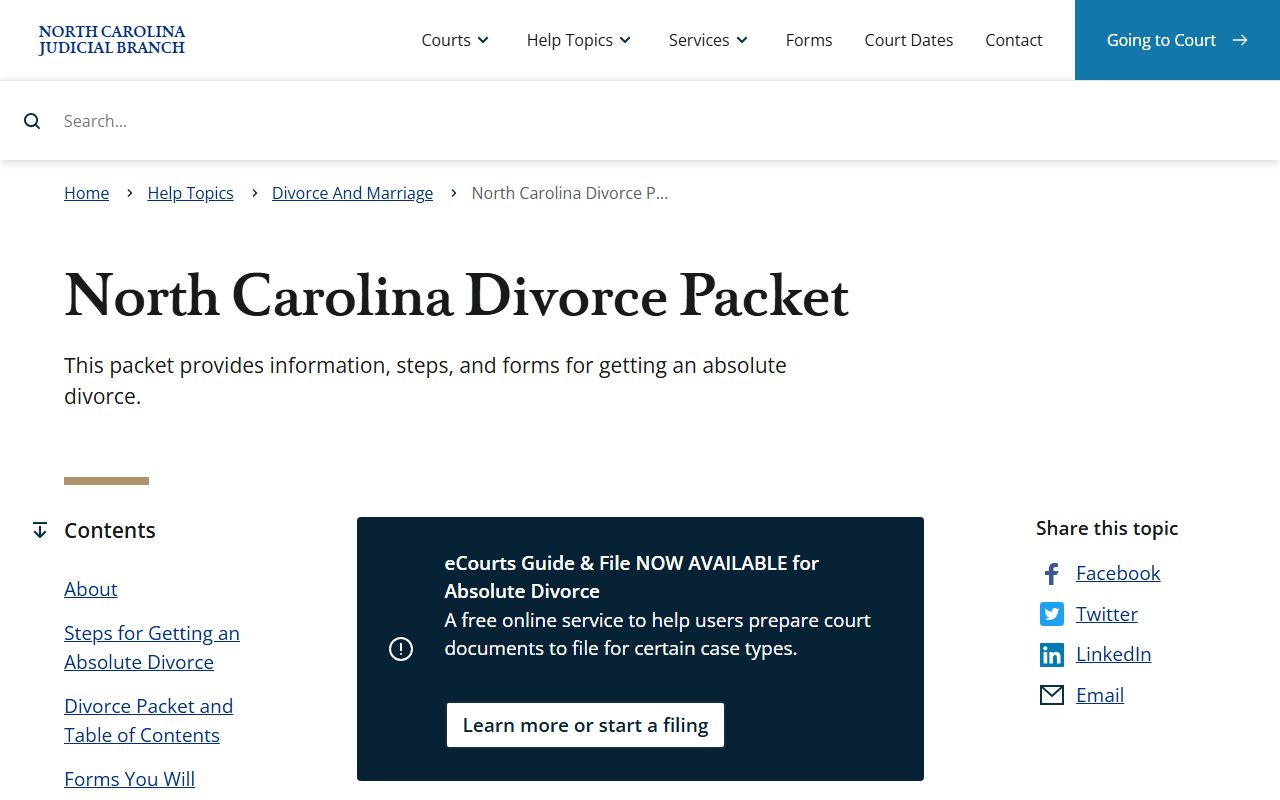
Forms and packets are separate from payment eligibility, but both often route back to the clerk for filing or copy questions.
The Ashe County payment information page is the local source for mail, in-person, and online payment rules.
Ashe County Clerk Routing Limits
Use the Clerk of Superior Court for court case files, divorce judgments, estates, special proceedings, criminal cases, traffic cases, judgments, dockets, and certified court copies. Use the Register of Deeds for marriage licenses, certified marriage copies, birth and death records, land records, notary oaths, and DD-214 recording. Use the sheriff or police agency for law-enforcement incident records or detention records. The Judicial Branch public records request page is for existing administrative records, not a shortcut around normal court case file access.
The U.S. District Court for the Western District of North Carolina is separate from Ashe County state court. Federal filings, bankruptcy, and federal criminal records do not become Ashe County Clerk of Superior Court records just because a party lives in the county.
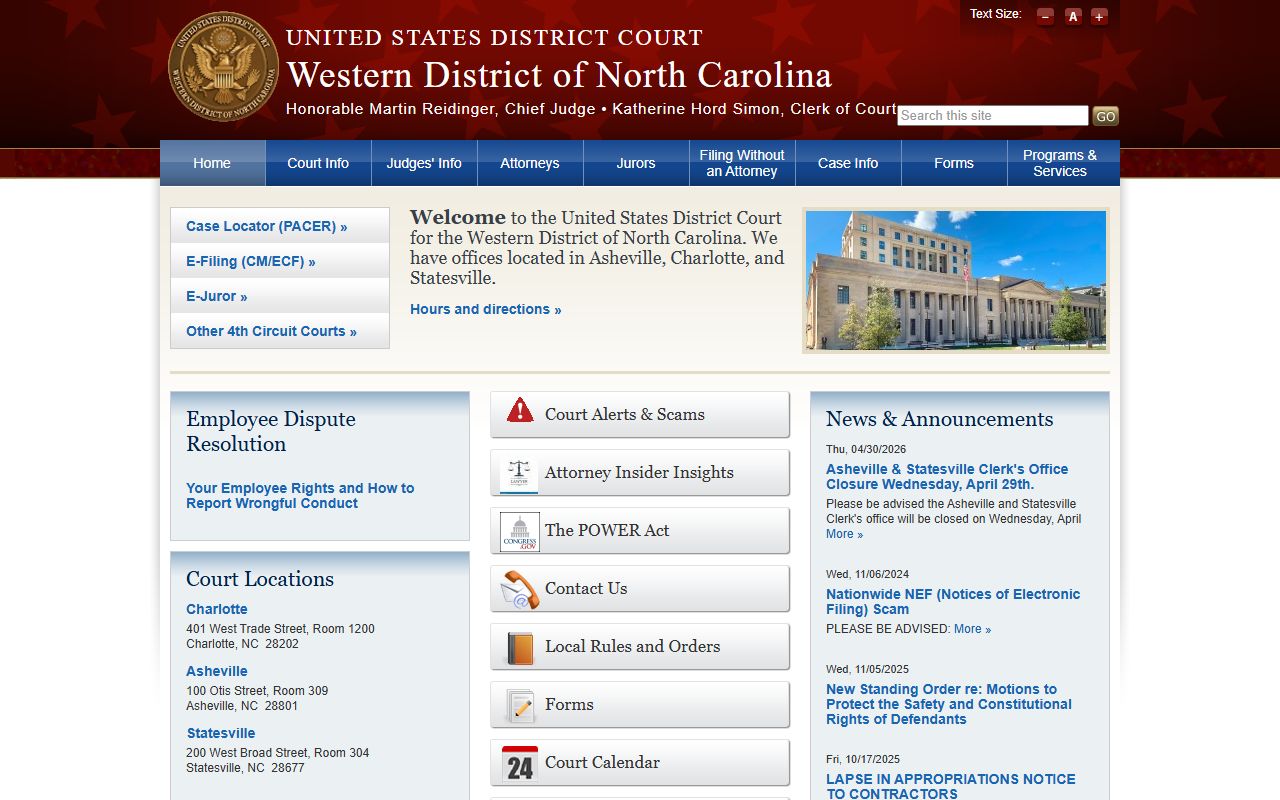
The federal court source reinforces the key routing distinction between local state court records and federal case files.
Note: A public-record request does not replace normal court file access through the clerk.