
Ashe County Trial Court Structure
North Carolina's Judicial Branch describes a statewide General Court of Justice divided into the Appellate Division, Superior Court Division, and District Court Division. Ashe County sits in Superior Court District 34, District Court District 34, and Prosecutorial District 34. Both trial divisions operate through the Ashe County Courthouse at 150 Government Circle, Jefferson, NC 28640.
The Western District Asheville courthouse page is a federal source that helps distinguish federal court offices from Ashe County state trial courts.
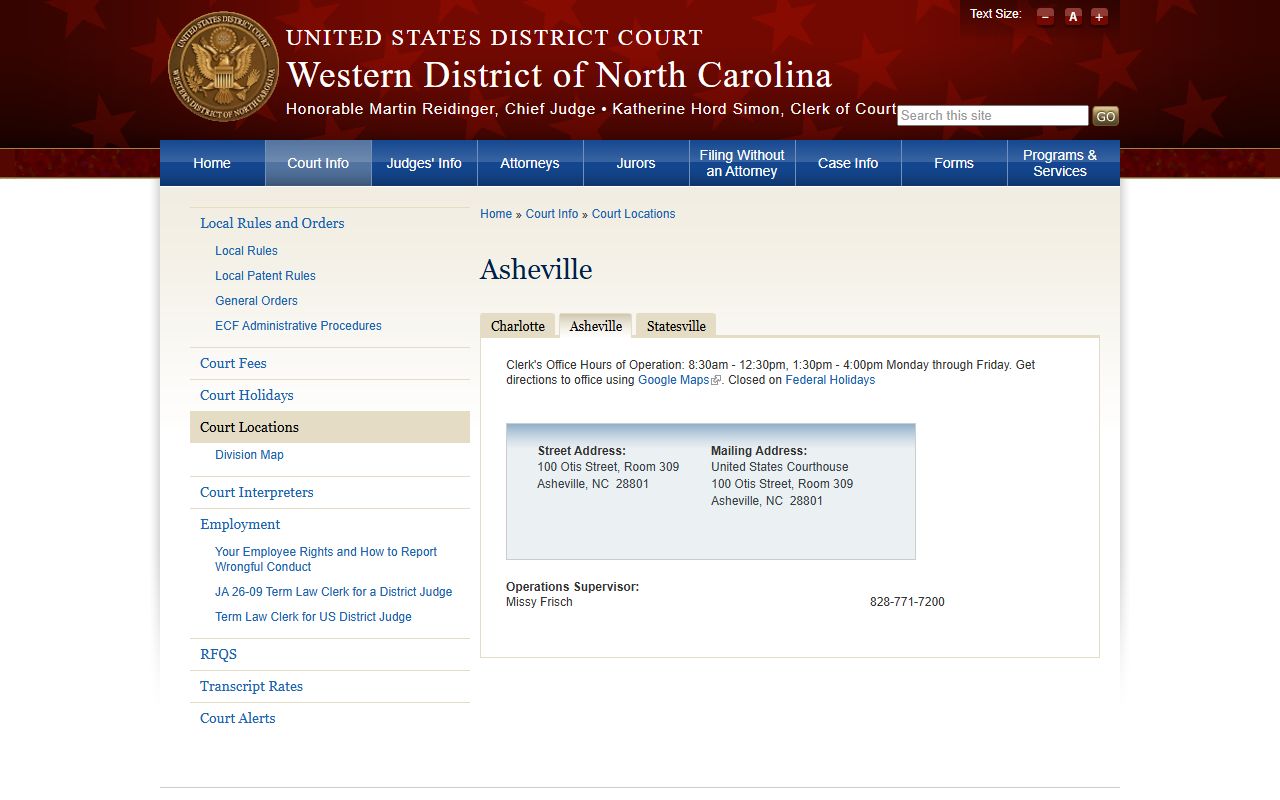
This source helps separate local state trial-court business from federal court locations in the Western District.
The official North Carolina courts overview describes the statewide court divisions.
Superior Court is the higher trial division for felony criminal cases and civil cases over $25,000. District Court handles many misdemeanors, infractions, juvenile matters, family matters, small claims, and magistrate matters. The Clerk of Superior Court is the central record office for both divisions in Ashe County.
Ashe County Courts and Offices
The local court contact directory gives one public courthouse route for the main trial-court offices. Use the division or office name when calling because judge chambers, the clerk, the District Attorney, Guardian ad Litem, arbitration, and magistrates have different phone routes.
| Court or office | Ashe County role | Address | Phone |
|---|---|---|---|
| Ashe County Superior Court, District 34 | Felonies, higher civil matters, major trial matters, and some appeals from lower proceedings | Ashe County Courthouse, 150 Government Circle, Jefferson, NC 28640 | Superior Court Judges: (336) 651-4416; Clerk: (336) 219-1400 |
| Ashe County District Court, District 34 | Misdemeanors, infractions, juvenile, family, small claims, magistrate-linked matters, and lower civil matters | Ashe County Courthouse, 150 Government Circle, Jefferson, NC 28640 | District Court Judges: (336) 651-4412; Clerk: (336) 219-1400 |
| Magistrates | Initial appearances, warrants and process functions, and small-claims or magistrate proceedings | Ashe County Courthouse or local magistrate office route | (336) 219-1419 |
| Clerk of Superior Court | Court records, filings, estates, special proceedings, copies, and payment cashier routing | 150 Government Circle, Suite 3100, Jefferson, NC 28640 | (336) 219-1400 |
| District Attorney, Prosecutorial District 34 | State criminal prosecution for Alleghany, Ashe, Wilkes, and Yadkin counties | Ashe County courthouse contact route | (336) 219-1410 |
| Guardian ad Litem | Child advocacy program contact for Ashe County | Court contact directory route | (336) 651-4421 |
The Ashe County court contact directory is the official source for these local court office numbers.
Ashe County Court Division Comparison
Superior Court, District Court, and magistrate functions are not three separate county governments. They are parts of one state court system with different assignments. The division matters because it affects the judge, courtroom, case flow, record type, and appeal path.
| Point | Superior Court | District Court | Magistrates |
|---|---|---|---|
| Main civil role | Civil cases over $25,000 and higher trial matters | Lower civil matters, family matters, and small-claims-linked routes | Small-claims and related magistrate proceedings where assigned by law |
| Main criminal role | Felony cases and major criminal trial matters | Misdemeanors, infractions, and many first-stage criminal matters | Initial appearances, warrants, process, and related pretrial functions |
| Juvenile and family | Limited by case type and procedure | Juvenile, family, and domestic matters are commonly District Court work | May support process or small-claims functions, not full family case trials |
| Records contact | Clerk of Superior Court | Clerk of Superior Court | Clerk or magistrate contact route, depending on matter |
| Local district | Superior Court District 34 | District Court District 34 | Ashe County magistrate route |
Ashe County Case Movement
Case movement depends on the case type. A criminal case may start with law enforcement, a citation, an arrest, or a magistrate process before prosecution decisions and court hearings. A civil case starts with a filing and service, then moves through answer, hearings, motions, trial, judgment, and appeal if allowed. Traffic matters often stay in District Court unless they connect to a more serious criminal charge.
Criminal flow: Arrest or citation › Magistrate or first appearance › District Court setting › Felony transfer or District Court resolution › Superior Court indictment or information when applicable › Plea or trial › Sentencing › Appeal.
Civil flow: Complaint or petition › Service › Answer or response › Motions or mediation where applicable › Trial or hearing › Judgment or order › Appeal.
Record flow: Portal or calendar search › Clerk public terminal › Clerk office file inspection › Certified copy request when legal proof is needed.
For full case files and certified copies, the local record office is the Ashe County Clerk of Superior Court.
Ashe County District Attorney
Ashe County is in Prosecutorial District 34. The North Carolina Conference of District Attorneys page names Tom Horner as District Attorney for the Thirty-Fourth Prosecutorial District, which includes Alleghany, Ashe, Wilkes, and Yadkin counties. The District Attorney represents the State of North Carolina in criminal prosecutions. That role is separate from the clerk, judge, sheriff, or defense counsel.
The PACER Western District lookup is the federal docket source for U.S. District Court records.
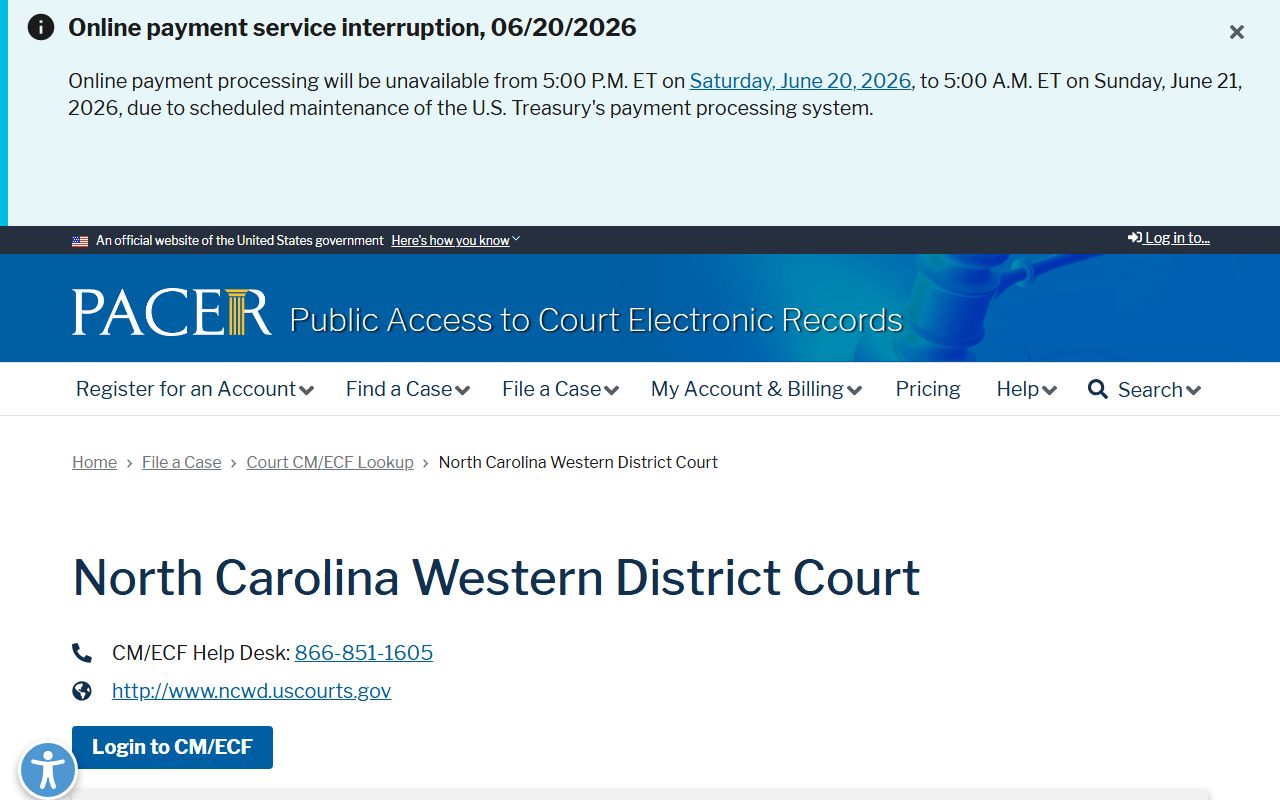
Federal PACER lookup is separate from state prosecution, but the image helps show that federal docket access follows a different court system.
The Prosecutorial District 34 page is the researched source for the District Attorney assignment.
Ashe County Court Appeals
Appeals from North Carolina trial courts generally move into the state appellate system. The North Carolina Court of Appeals is the intermediate appellate court. It reviews trial-court proceedings for errors of law or legal procedure, not for a new fact trial. The Supreme Court of North Carolina may review matters within its jurisdiction or through discretionary review.
Appeal records and deadlines are not the same as routine trial-court copy requests. A party should distinguish the trial court record kept by the Ashe County Clerk of Superior Court from the appellate filings handled by the appellate courts. The trial file may still be needed to support the appeal record.
Note: Appeal rights and deadlines depend on case type, order type, and procedure, so the clerk can provide record access but not private legal advice.
Federal Court Is Separate
Federal cases involving Ashe County people, land, businesses, or events do not become Ashe County District Court or Superior Court records. Ashe County is in the U.S. District Court for the Western District of North Carolina under 28 U.S.C. 113. Federal civil, federal criminal, civil-rights, federal-question, and diversity cases use the federal court system, not the Ashe County state courthouse file system.
The PACER bankruptcy court lookup is the source for the federal bankruptcy docket image assigned to this court-routing page.
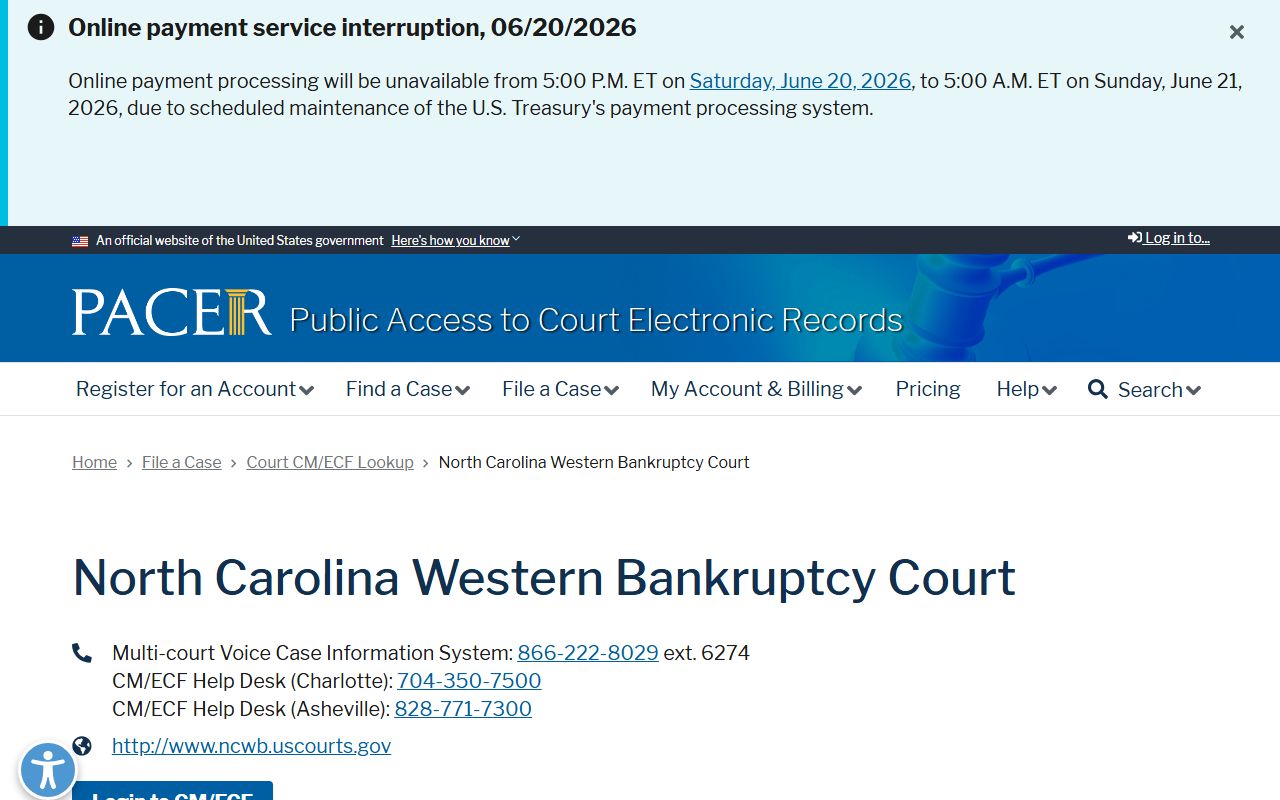
Bankruptcy records use the federal bankruptcy court and PACER systems, not the Ashe County Clerk of Superior Court.
The U.S. Bankruptcy Court for the Western District of North Carolina is the official route for Western District bankruptcy matters.
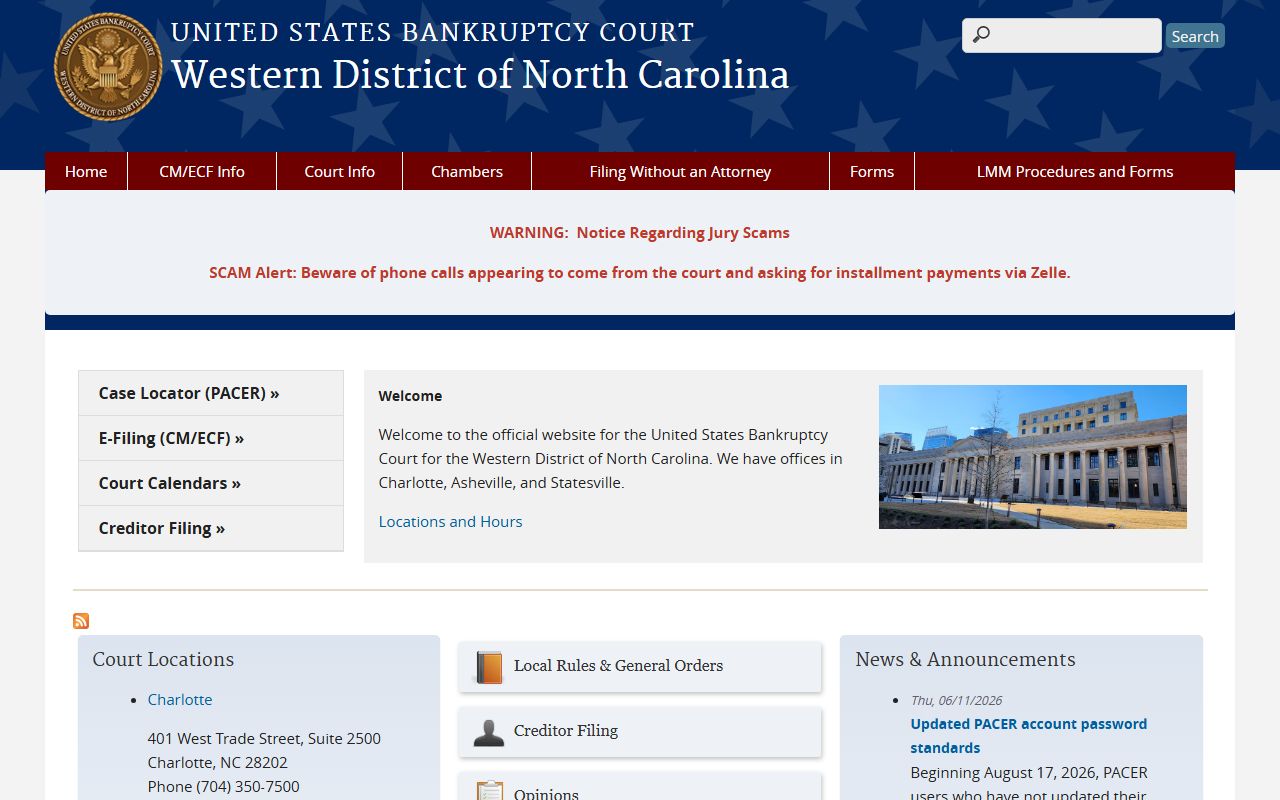
This court is relevant when debt or bankruptcy intersects with a local judgment, but it remains a separate federal record system.
Federal venue law also lists Ashe County in the Western District of North Carolina through 28 U.S.C. 113.
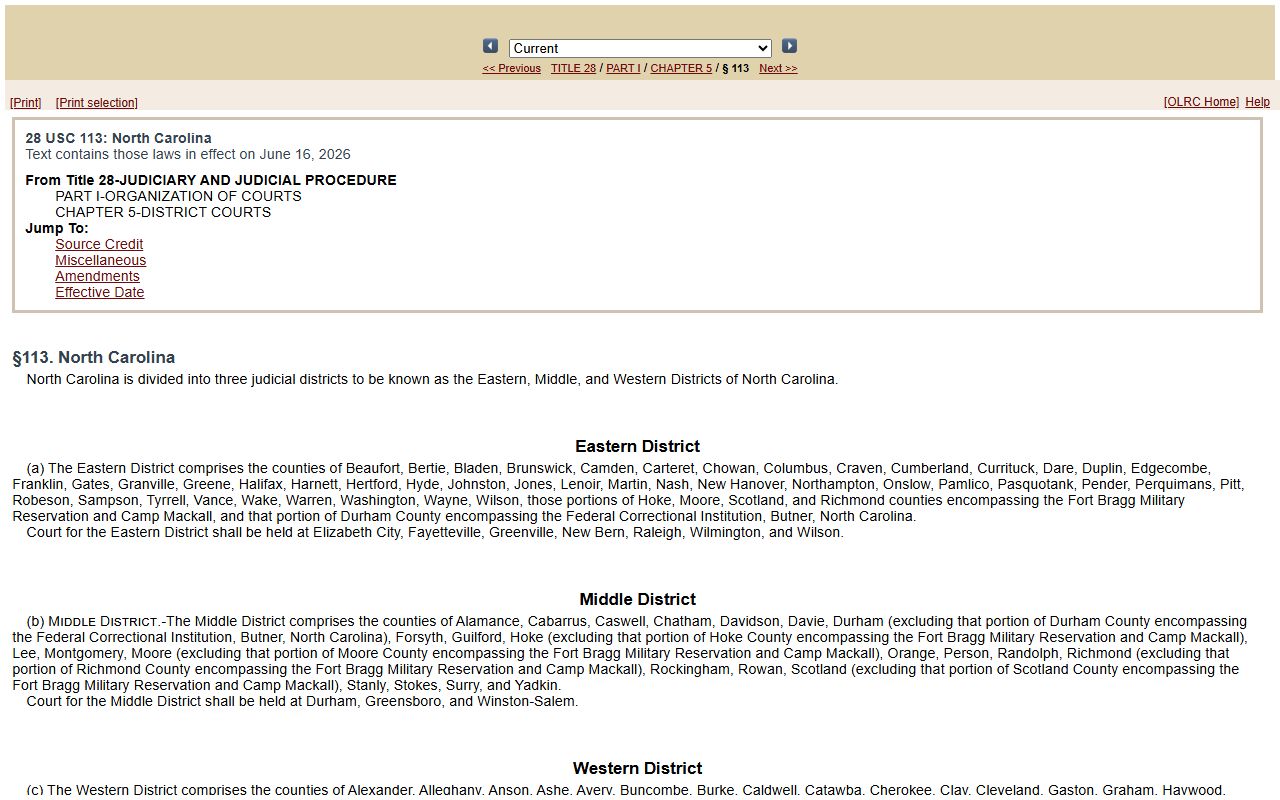
That statute supports the federal routing point without changing the local state court record path.
Ashe County Court Visit Context
Ashe County is a mountain county, and courthouse trips may begin in Jefferson, West Jefferson, Lansing, Todd, Glendale Springs, Creston, Grassy Creek, Fleetwood, Warrensville, or rural areas. Winter weather and mountain-road time can affect hearings and in-person record trips. The courthouse page and county landing page link to court dates, payments, forms, jury service, and disability accommodation resources.
The same government-campus area includes the courthouse, the Register of Deeds, and nearby sheriff and detention offices. That split prevents wrong-office trips: court case files go to the clerk, marriage and vital records go to the Register of Deeds, and sheriff records go to the law-enforcement agency.